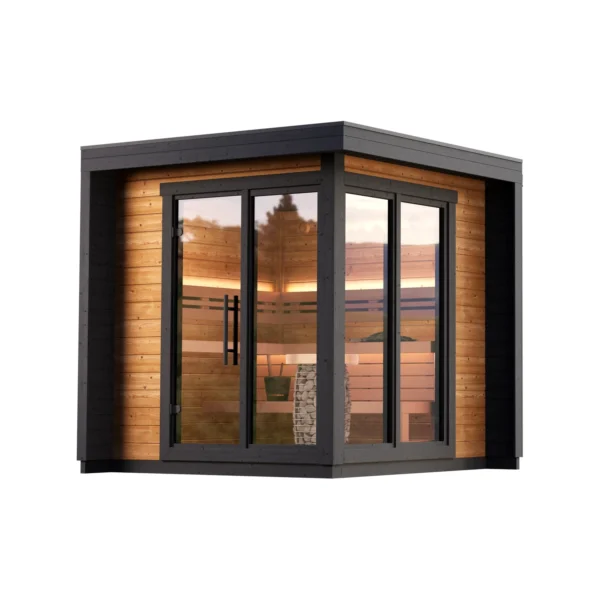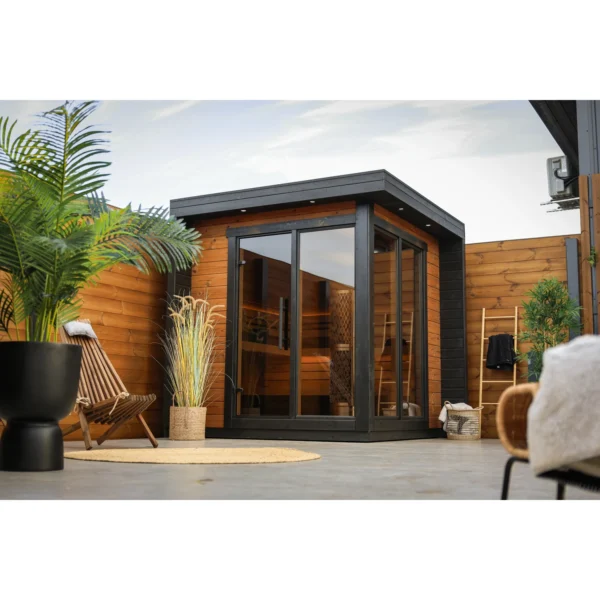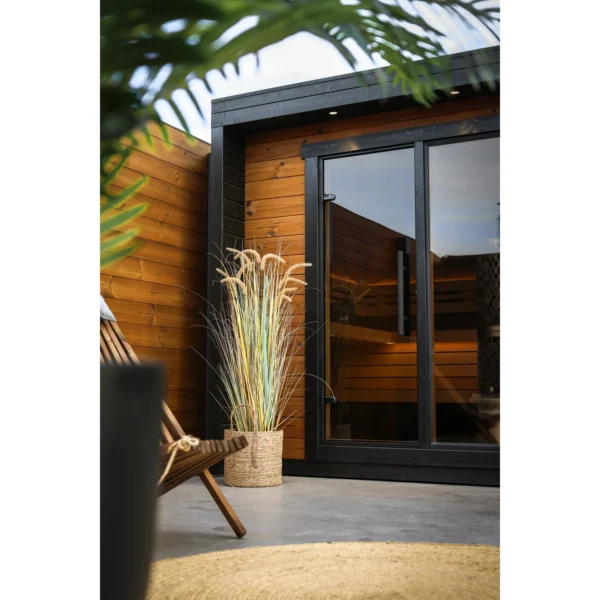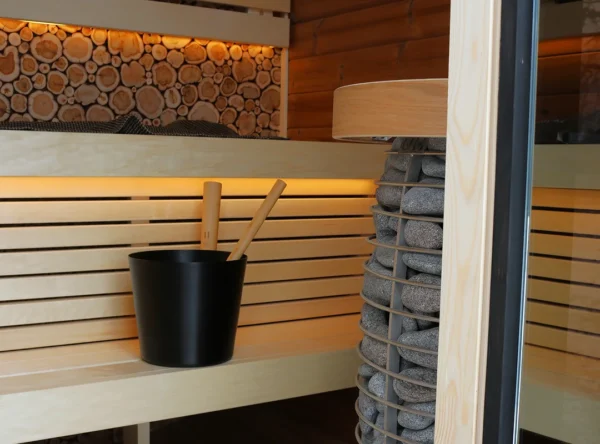



A well-maintained outdoor sauna is easy to look after. After each session, let the room dry and ventilate, wipe away moisture and keep the heater area clear. Every few weeks, check the benches and interior timber. Once a year, inspect the roof, vents, fixings and sauna stones, and reapply a UV-protective finish to the exterior timber on the product's own schedule.
Quick maintenance checklist
- After each use: ventilate the sauna and allow the interior to dry.
- Regularly: wipe benches and surfaces with a clean, damp cloth when needed; use towels on the benches.
- Every few weeks or as use requires: check for dirt, marks, loose fittings and signs of moisture.
- Each year, or as the product label says: reapply a UV-protective oil or stain to the exterior timber; inspect roof, vents, fixings and any steel bands.
- Each year: check and re-stack the stones, replacing any that are cracked or crumbling.
- For wood-fired systems: arrange flue and chimney cleaning and have damaged components checked before continued use.
- For electric systems: leave wiring, controls and electrical repairs to a suitably licensed professional.
Know your sauna and choose the right products
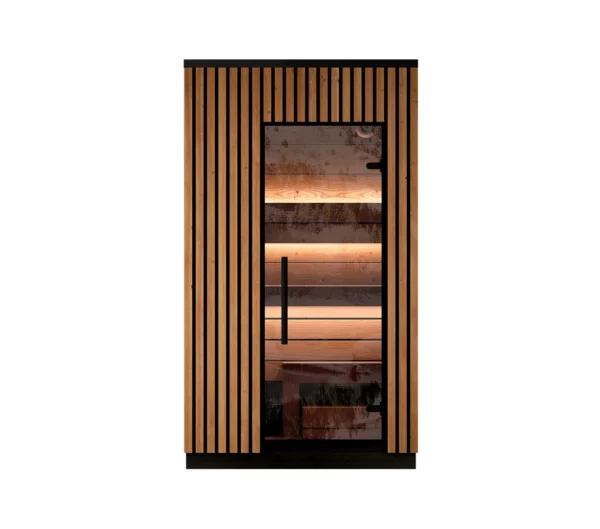
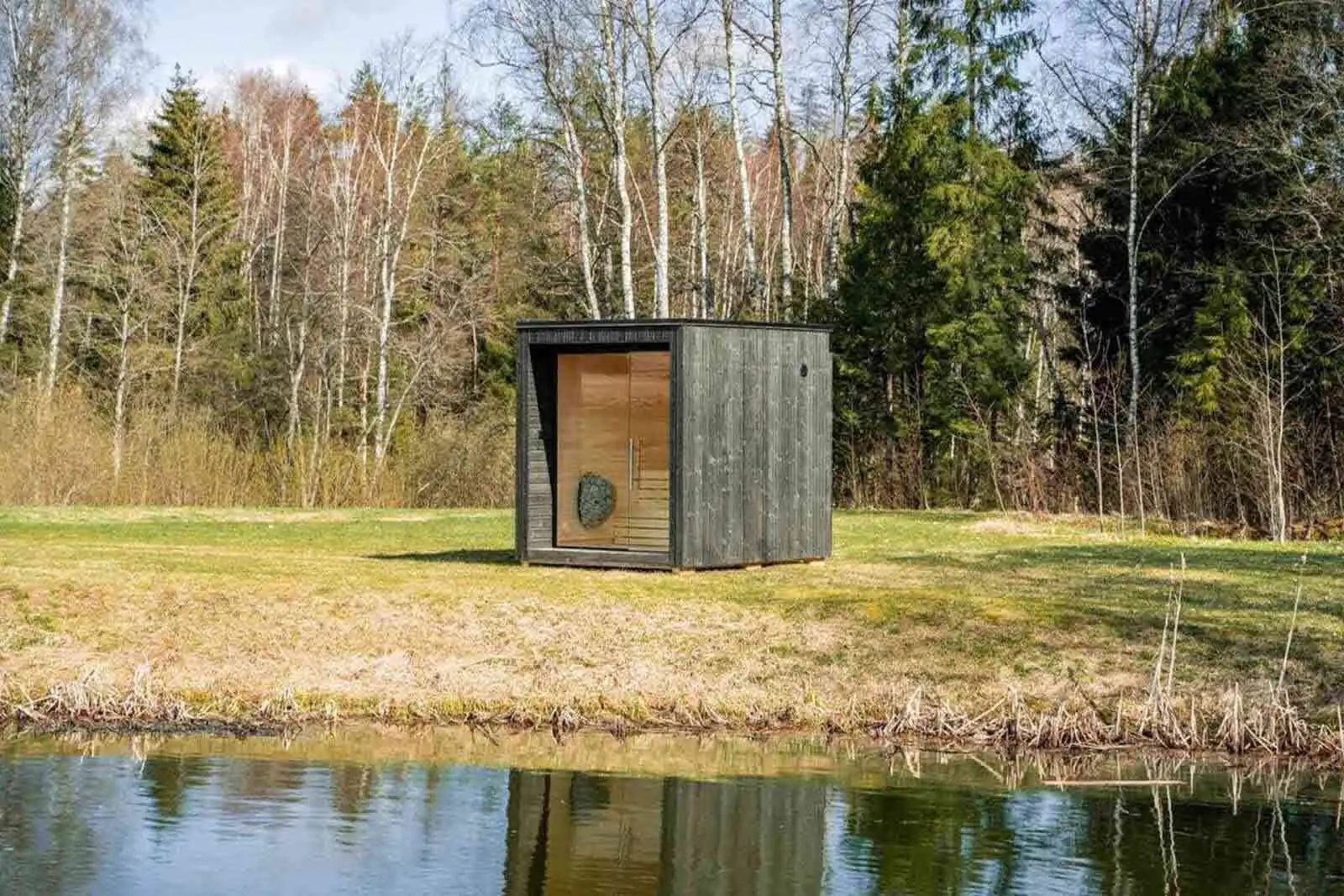
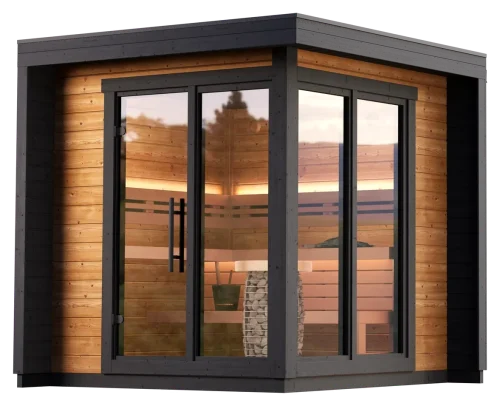
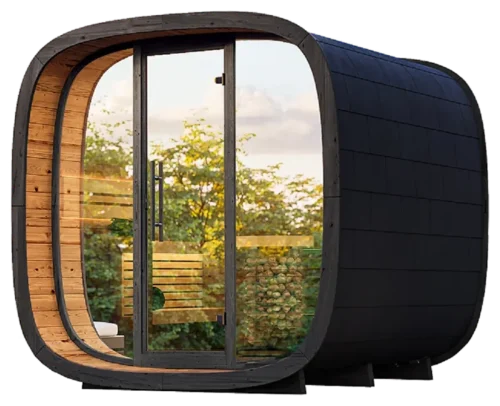
Shym's Leil Patio, Round Cube, Como and Viva saunas are listed as ThermoWood® on the Shym NZ sauna range. Construction details, bench timber and heater options still differ between models, so check your sauna's product page or documentation for specifics.
The good news is that care is straightforward. The outside can take almost any brand or colour of oil or stain, as long as it has UV protection, while the inside needs only food-grade paraffin oil or tung oil. Avoid detergents, timber cleaners and sealants on the interior unless Shym has confirmed they suit your sauna. Maintenance can also affect warranty cover, so keep the current warranty terms handy.
If you are unsure about a product, or a stain will not lift, ask Shym before applying anything. For general questions, see the Shym Saunas FAQ.
Ventilate and dry the sauna after each use
Moisture management is one of the simplest parts of sauna care. After your session, open the door and keep the vents clear so the room can air and dry, and take wet towels and accessories out rather than leaving them on the benches. Wipe up pools of water with a clean cloth. Avoid soaking timber or directing water at the heater, electrical components, roof or exterior joints.
Do not hose out the interior or pressure-wash the outside. Direct water can damage timber, seals and electrical components, and may affect warranty cover. A damp cloth is all the interior needs.
Clean sauna benches and interior timber gently
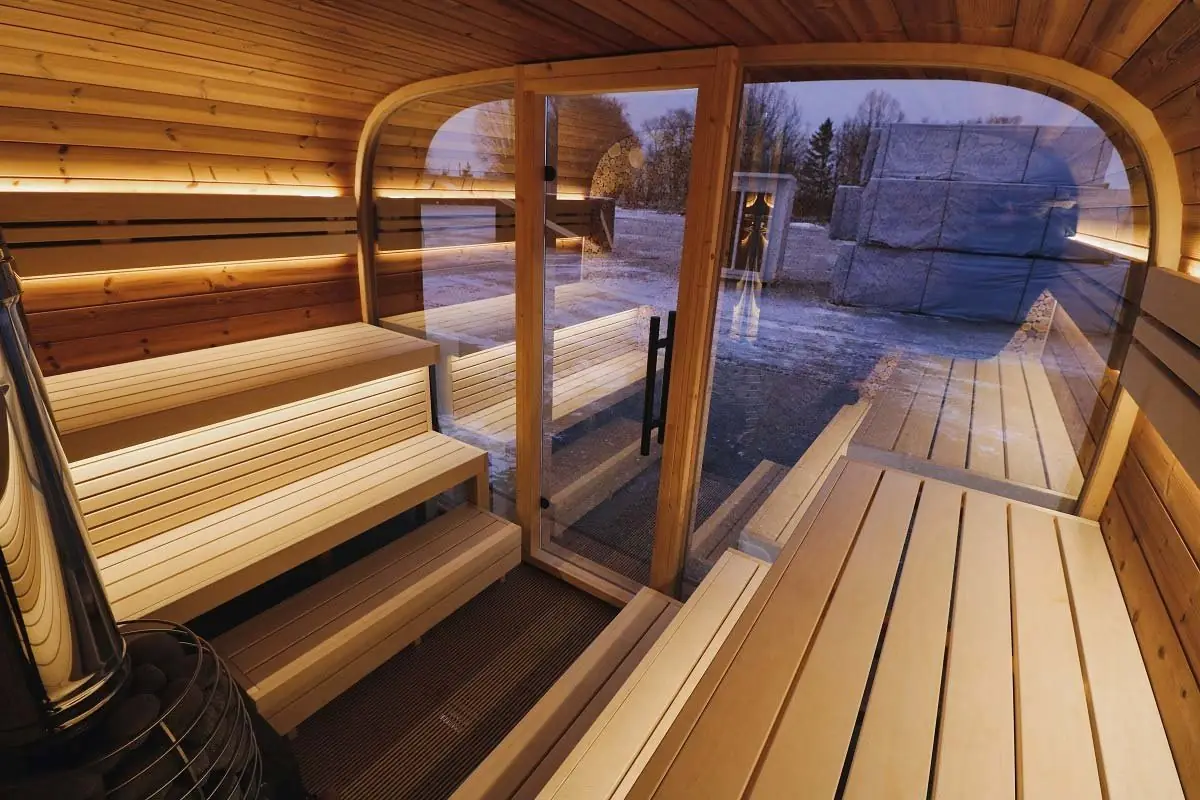
Use a towel on the bench during each session to reduce the amount of sweat and body oils that reach the timber. For routine cleaning, use warm water and a soft brush or cloth, working along the grain, then dry the room thoroughly. Harvia's guidance for its sauna benches is similar: warm water, a suitable sauna cleaning solution and a soft brush, then rinse away any residue.
For the interior timber, we recommend only food-grade paraffin oil or tung oil. Apply it sparingly to clean, dry benches. Avoid abrasive scourers, bleach, harsh household chemicals, paint, varnish, ordinary furniture polish and general-purpose timber treatments inside the sauna.
If a stain will not lift with warm water and a soft brush, avoid sanding aggressively or reaching for a stronger chemical. Ask Shym for advice.
Protect the outside timber from weather
An outdoor sauna is exposed to rain, sun and changing temperatures. Include the exterior in your regular visual checks. Look for areas where water may be collecting, damaged or lifting roof material, blocked vents, deteriorating seals, and changes around joints or fixings. Keep the base and surrounding area well drained so water does not sit against the sauna.
Exterior timber needs regular treatment to stay in good condition. You can use any brand, colour or type of oil or stain, water- or oil-based, as long as it has UV protection. Reapply it on that product's own schedule, for example every 12 months if the label says so. Also check fixings and any steel bands, keep the roof sealed and keep vents clear.
Keep dated photographs of the maintenance you complete. Maintenance records can be useful if you ever need to make a warranty claim. For the current requirements, read Shym's sauna warranty terms.
Check sauna stones and the heater
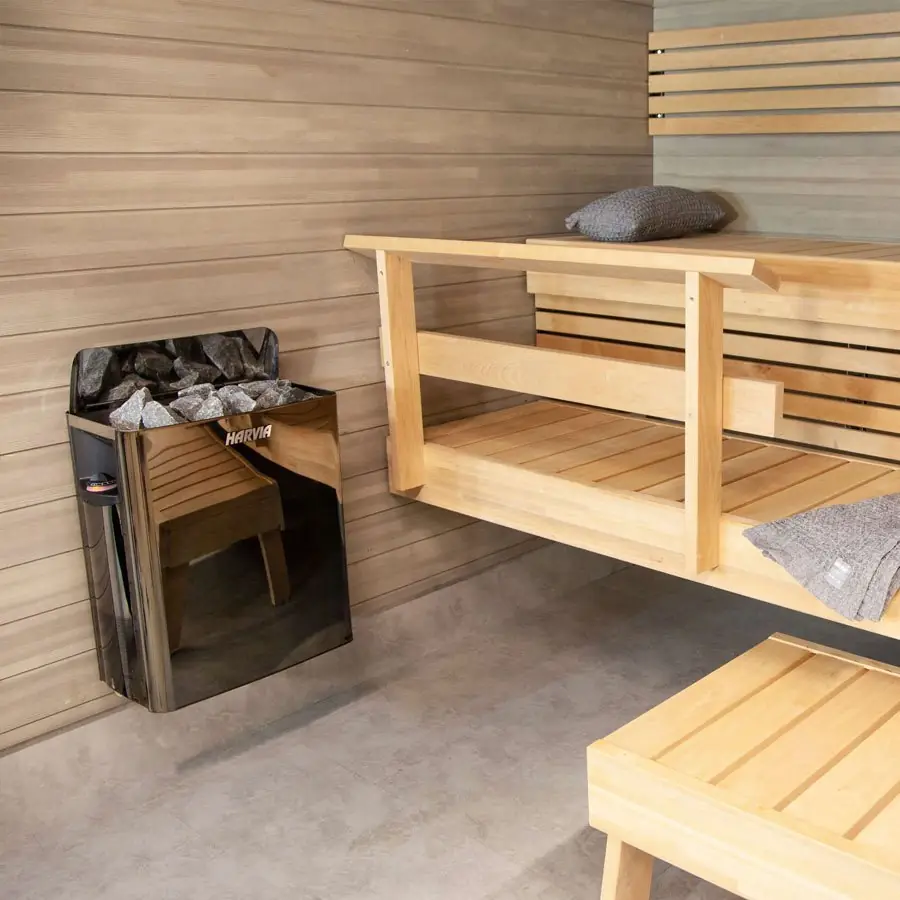
Sauna stones change with repeated heating and cooling. Depending on the heater and how often you use it, stones can settle, crack or crumble. Harvia and HUUM give the same advice: check and re-stack the stones annually, clean dust and debris with warm water and a soft brush, and replace stones that crumble or become discoloured.
Before handling stones, switch the heater off and let it cool completely. Do not operate a heater without the required stones, and do not use random rocks collected outdoors, as incorrect stone size, type or placement can affect airflow and heater operation. If you are unsure how to remove or re-stack the stones, use a qualified sauna technician.
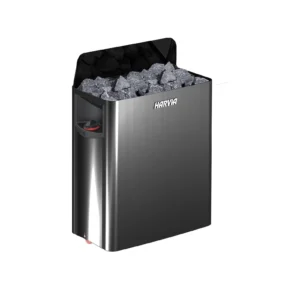
For an electric heater, such as a Harvia or HUUM, keep the surrounding area clear and check visually for obvious damage, unusual discolouration or signs of overheating. Do not open the heater casing, adjust wiring or attempt electrical repairs. Sauna heaters should be connected by a suitably licensed electrician. In New Zealand, WorkSafe advises consumers to ask to see an electrical worker's practising licence and check its expiry date, and to expect a Certificate of Compliance for fixed wiring work. For help comparing models, see the sauna heater guide and browse electric sauna heaters.
Maintain a wood-fired heater and flue
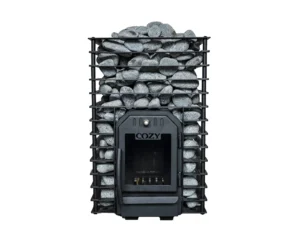
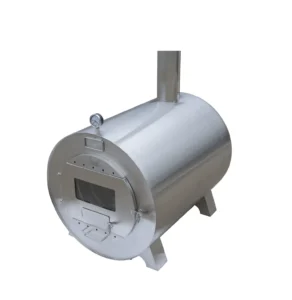
Wood-fired heaters, such as Cozy models, need additional attention because they involve combustion, ash and a flue. Once the heater is fully cool, remove the ash and check for visible damage. Do not use the heater if you notice a damaged firebox, loose flue connection, unusual smoke leakage or another fault. Have it inspected by a suitably qualified person.
Keep the flue clean and arrange professional sweeping before the first fire of the season and at the interval your heater maker and local requirements specify. Fire and Emergency New Zealand recommends having a fireplace cleaned before lighting the first fire of the season, and New Zealand building guidance says solid fuel appliances, including flues and chimneys, must be regularly cleaned and maintained. Use a competent chimney professional rather than relying on a single interval for every installation. If you are comparing stoves, browse wood-fired sauna heaters.
Store firewood in a dry, ventilated place and burn only fuel approved by the stove manufacturer. Never burn rubbish, painted or treated timber. Keep combustible items away from the heater and follow the clearances and fire-safety instructions supplied with the appliance.
A simple seasonal maintenance routine
| When | What to check | What to do |
|---|---|---|
| After each session | Moisture, towels, ventilation | Ventilate, remove wet textiles and wipe visible moisture. |
| Regularly | Benches, floor, interior surfaces | Wipe with warm water and a soft cloth; oil with food-grade paraffin oil or tung oil; check for marks or damage. |
| Monthly or as use requires | Exterior, roof, vents, base and fixings | Look for leaks, blocked vents, standing water, loose parts or visible deterioration. |
| At least annually, or per the product label | Exterior timber treatment and fixings | Reapply UV-protective oil or stain on the product's schedule; check fixings and any steel bands. |
| Annually | Stones, heater body, firebox and flue | Check and re-stack stones; for wood-fired heaters, have the flue swept and inspect the firebox. Use a professional where required. |
Common sauna maintenance mistakes to avoid
- Using paint, varnish or non-food-grade oil on the interior timber; use only food-grade paraffin oil or tung oil.
- Using an exterior oil or stain without UV protection, or ignoring the reapplication date on the label.
- Pressure-washing the sauna or soaking timber, joints and electrical components.
- Using bleach or strong household cleaners on timber surfaces.
- Leaving wet towels or accessories inside after a session instead of allowing the room to dry.
- Ignoring blocked vents, roof leaks, standing water or loose fixings and steel bands.
- Rearranging stones while the heater is hot, or using stones not approved for the heater.
- Opening an electric heater or attempting wiring repairs yourself.
- Continuing to use a wood-fired heater when the firebox, flue or connections appear damaged.
Frequently asked questions
How often should I clean an outdoor sauna?
After each session, ventilate the sauna and remove wet textiles. Wipe visible moisture as needed. Clean benches and interior surfaces with warm water and a soft cloth when they need it; how often depends on how much you use the sauna.
Can I use a pressure washer on my outdoor sauna?
No. Pressure washing and direct water contact can damage timber and seals, and may affect warranty cover. Wipe the interior with a damp cloth and brush dirt off the exterior instead.
Should I oil the outside of my sauna?
Yes. Exterior timber needs regular treatment. Use any brand, colour or type of oil or stain, water- or oil-based, as long as it has UV protection, and reapply it on the product's own schedule, for example every 12 months if the label says so.
Can I use the same oil on the benches and outside timber?
No. Use only food-grade paraffin oil or tung oil on the interior benches. Exterior oils and stains are for the outside only.
How often should sauna stones be replaced?
There is no fixed replacement interval. Inspect and re-stack the stones annually, and replace any that are cracked, crumbling or discoloured with stones of the type and size your heater specifies.
Can I clean sauna stones with household detergent?
No. Harvia and HUUM both recommend warm water and a soft brush for cleaning stones. Do not add chemicals.
Does an electric sauna heater need servicing?
Check the heater visually for damage and keep the area around it clear. Leave electrical work, opening the casing and repairs to a suitably licensed professional.
How often should a wood-fired sauna flue be cleaned?
Arrange professional cleaning at least once a year, or more often if your heater maker specifies. Fire and Emergency New Zealand recommends having a fireplace cleaned before the first fire of the season, and its home fire checklist asks whether the flue has been cleaned in the last year; heavy use may require more frequent attention.
What should I do if I notice a leak or damaged timber?
Stop water from entering where possible without attempting unsafe repairs. Photograph the issue and contact the sauna supplier for model-specific advice. Do not apply an unapproved sealant or coating.
Where can I get advice about maintaining my Shym sauna?
Start with the Shym Saunas FAQ and your sauna's documentation. If you are unsure which product or maintenance step applies to your model, contact the Shym team before proceeding.
Keep your sauna in good condition
A simple routine makes outdoor sauna ownership easier: let the room dry after use, clean the interior gently, keep the exterior UV-protected and check the stones and heater each year.
If you are considering an outdoor sauna or need help choosing, browse the sauna and heater ranges, or look at models such as the Leil Patio S, Round Cube Mini, Leil Viva 120 and Leil Como 1-120. For advice, contact the Shym team. You can also browse sauna accessories such as sauna stones, air vents and heater guards.